
Arts of Asia — Page 8
9,604 artworks · Art Institute of Chicago
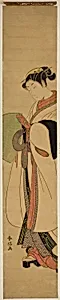
Young Woman Dressed as a Mendicant Monk
Suzuki Harunobu, c. 1770
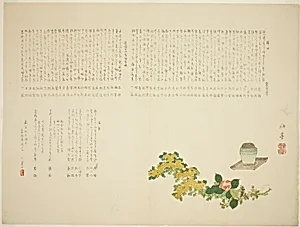
Incense Burner. Chrysanthemums, and Camellias
Tanaka Shutei, 1848
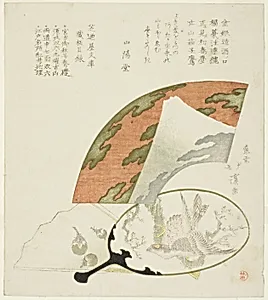
Fans decorated with motifs of the three auspicious dreams of the New Year
Totoya Hokkei, c. 1821
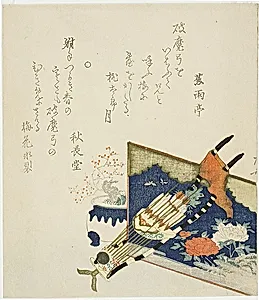
A Quiver of Arrows, a Potted Plum near a Low Screen
Ryuryukyo Shinsai, early 19th century
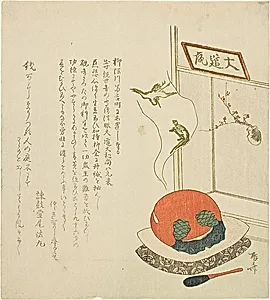
The Dream of the Bell, Birthday Greeting for a Priest on his 96th Anniversery
Ryuryukyo Shinsai, early 19th century
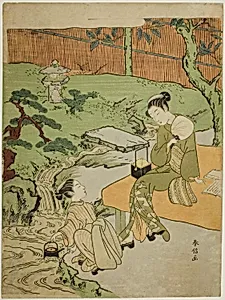
Two Girls Enjoying the Evening Cool in a Garden
Suzuki Harunobu, c. 1765/70
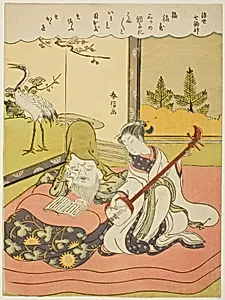
Fukurokuju, from the series "The Seven Gods of Good Luck in the Floating World (Ukiyo Shichi Fukujin)"
Suzuki Harunobu, c. 1769
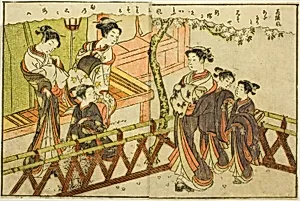
Double-page Illustration from Vol. 2 of "Picture Book of Spring Brocades (Ehon haru no nishiki)"
Suzuki Harunobu, 1771
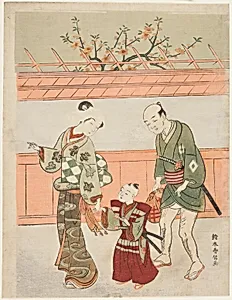
A Spring Outing
Suzuki Harunobu, c. 1768
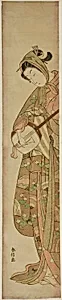
Woman Playing the Shamisen
Suzuki Harunobu, c. 1769
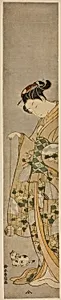
Girl Playing with a Cat
Suzuki Harunobu, c. 1769/70
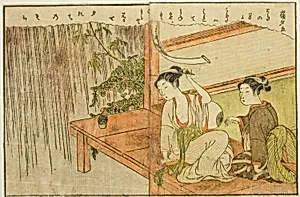
Double-page Illustration from Vol. 2 of "Picture Book of Spring Brocades (Ehon haru no nishiki)"
Suzuki Harunobu, 1771

The Kagura Dance
Suzuki Harunobu, c. 1768/69
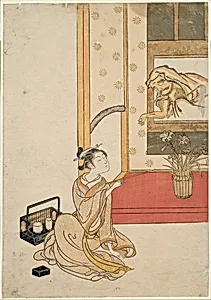
Giving Daruma a Smoke
Suzuki Harunobu, 1765
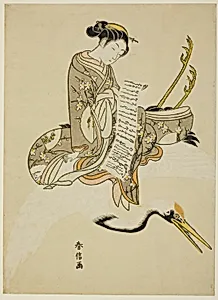
Girl Riding a Crane (parody of Hi Chobo [Chinese: Fei Zhangfang])
Suzuki Harunobu, c. 1766/67
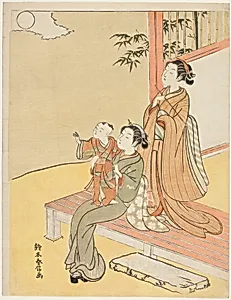
Viewing the Moon
Suzuki Harunobu, c. 1767/68
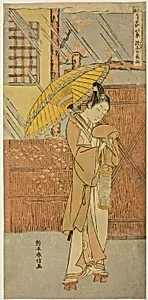
Night Rain of Genjo (Genjo no yau), from the series "Parodies of Eight Scenes from Noh Chants (Furyu utai hakkei)"
Suzuki Harunobu, c. 1767
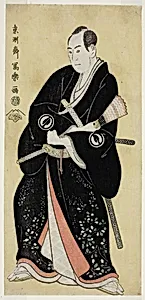
The Actor Sawamura Sojuro III as Nagoya Sanza Motoharu (Sandai-me Sawamura Sojuro no Nagoya Sanza Motoharu)
Tōshūsai Sharaku, 1794 (Kansei 6)
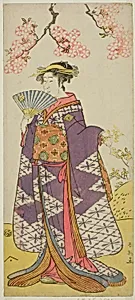
The Actor Ichikawa Komazo II as the Spirit of Lady Shiragiku in the Play Hatsu Midori Saiwai Soga, Performed at the Kawarazaki Theater in the Third Month, 1791
Katsukawa Shun'ei, c. 1791
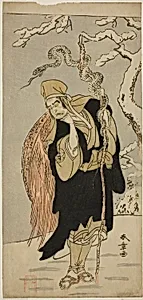
The Actor Ichimura Uzaemon IX as Aza-maru in the Play Yui Kanoko Date-zome Soga, Performed at the Ichimura Theater in the First Month, 1774
Katsukawa Shunsho, c. 1774
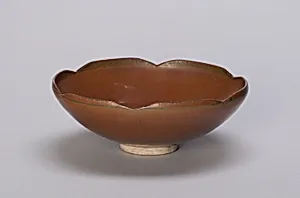
Persimmon Bowl
Unknown, Northern Song dynasty (960–1127), 11th/12th century
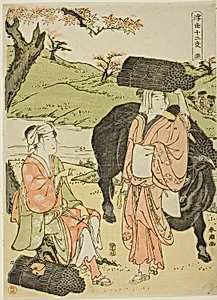
Ox (Ushi), from the series "Twelve Hours of the Floating World (Ukiyo juni shi)"
Katsukawa Shunchô, c. 1780/1801
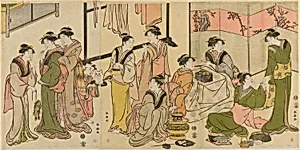
Around the Kotatsu
Katsukawa Shunchô, c. 1789
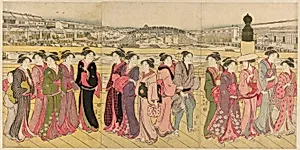
Crossing Nihonbashi Bridge
Katsukawa Shunchô, c. 1790
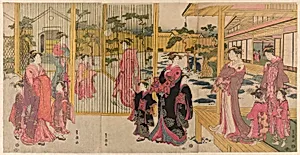
Courtesans of the Chojiya and their attendants playing kemari
Utagawa Toyokuni I, c. 1791/93
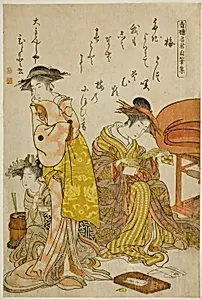
The Courtesan Hitomoto of the Daimonjiya, from the album "Comparing New Beauties of the Yoshiwara - A Mirror of Their Own Writings (Keisei shin bijin awase jikihitsu kagami)"
Kitao Masanobu, 1784
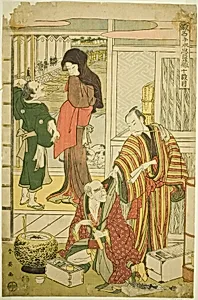
Act Ten: Amakawaya House from the play Kanadehon Chushingura
Katsukawa Shun'ei, 1807
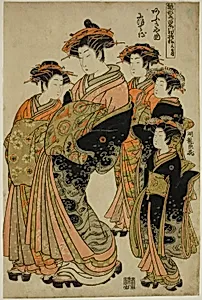
The Sixth Month (Minazuki): Nioteru of the Ogiya, from the series "Models for Fashion: New Designs as Fresh as Young Leaves (Hinagata wakana no hatsu moyo)"
Isoda Koryusai, c. 1777/78
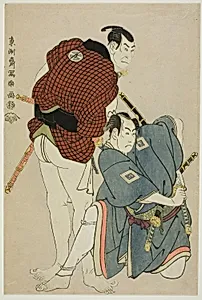
The actors Ichikawa Omezo I (R) as Tomita Hyotaro and Otani Oniji III (L) as Kawashima Jibugoro
Tōshūsai Sharaku, 1794
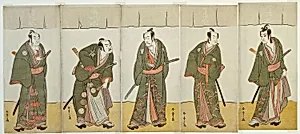
The Actors Ichikawa Monnosuke II as Karigane Bunshichi, Bando Mitsugoro I as An no Heibei, Ichikawa Danjuro V as Gokuin Sen'emon, Nakamura Sukegoro II as Kaminari Shokuro, and Sakata Hangoro II as Hotei Ichiemon (right to left), in "Gonin Otoko" (Five Chivalrous Commoners), an Interlude in Part Two of the Play Hatsumombi Kuruwa Soga (A Soga Drama on the First Festival Day in the Pleasure District), Performed at the Nakamura Theater from the First Day of the Second Month, 1780
Katsukawa Shunsho, c. 1780
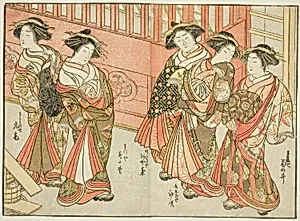
Five Courtesans of Various Houses, from the book "Mirror of Beautiful Women of the Pleasure Quarters (Seiro bijin awase sugata kagami)," vol. 3
Katsukawa Shunsho, 1776
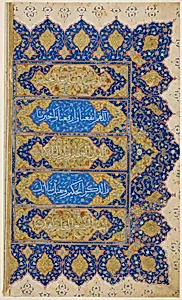
Right-Hand Page from the Qur'an
Islamic, Safavid dynasty (1501–1722)، 16th century
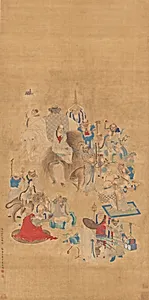
Bathing of the Buddha Festival
Hua Ziyou, Qing dynasty, 1833
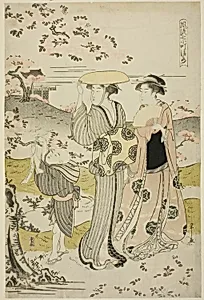
Ono no Komachi Visiting Kiyomizu Temple, from the series The Fashionable Seven Komachi (Furyu nana Komachi)
Chôbunsai Eishi, Edo period (1615–1868), about 1788
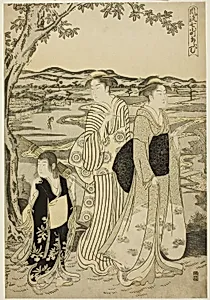
Parrot Komachi, from the series The Fashionable Seven Komachi (Furyu nana Komachi)
Chôbunsai Eishi, Edo period (1615–1868), about 1788
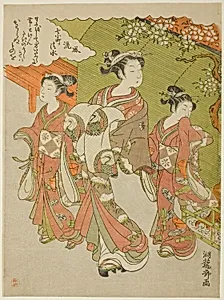
Ono no Komachi Visiting Kiyomizu Temple, from the series The Fashionable Seven Komachi (Furyu nana Komachi)
Isoda Koryusai, Edo period (1615–1868), n.d.
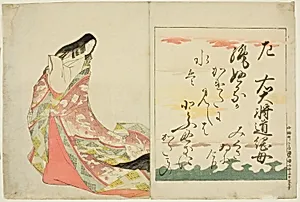
The Poetess Michitsuna no Haha, from the series "The Thirty-six Immortal Women Poets (Nishikizuri onna sanjurokkasen)"
Chôbunsai Eishi, Edo period (1615–1868), 1801
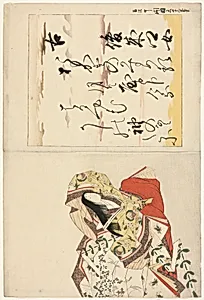
The Poetess Shunzei no Musume, from the series The Thirty-six Immortal Women Poets (Nishikizuri onna sanjurokkasen)
Chôbunsai Eishi, Edo period (1615–1868), 1801
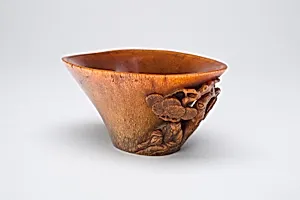
Cup with Handle in the Form of a Scholar Seated Beneath a Pine Tree
Unknown, Late Ming (1368–1644) or early Qing dynasty (1644–1911), 17th/18th century
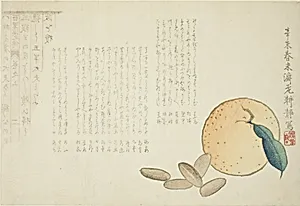
Tangerine and Chinese Legend
Kosei, spring 1871
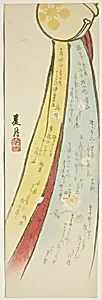
Tenman Shrine Bell
Nakagawa Rogetsu, 1860s
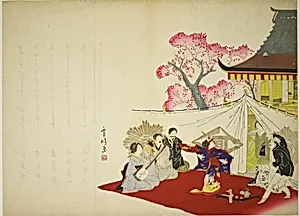
Meiji Dance Recital
Sessei, 1880s
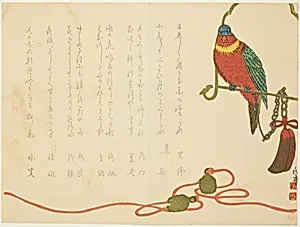
Parrot and Bells
Tanaka Shutei, n.d.
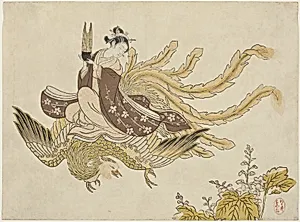
Young Woman Riding a Phoenix
Suzuki Harunobu, 1765
The Eighteen Sages of the Lotus Society
Unknown, Qing dynasty (1644–1911), 18th–19th century
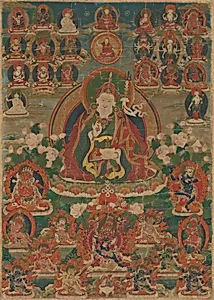
Painted Banner (Thangka) of Sage Guru Padmasambhava Seated Holding a Thunderbolt (Vajra) and Skull Cup (Kapala)
Unknown, 18th century
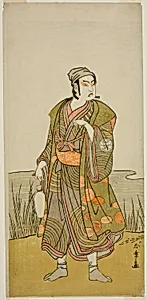
The Actor Ichimura Uzaemon IX as the Potter Tsuchihei in the Play Higashiyama Momiji no Kadode, Performed at the Ichimura Theater in the Ninth Month, 1778
Katsukawa Shunsho, c. 1778
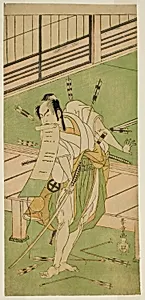
The Actor Otani Hiroji III as a White Fox Disguised as Ukishima Daihachi in the Play Shinasadame Soma no Mombi, Performed at the Ichimura Theater in the Seventh Month, 1770
Katsukawa Shunsho, c. 1770