
Lions in Art — Page 6
1,878 artworks
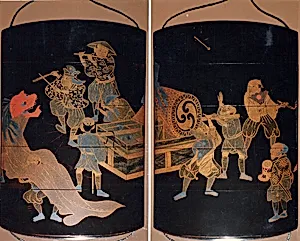
Case (Inrō) with Design of Dancer, Musicians and Drum
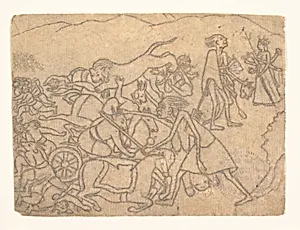
Kali Presenting the Heads of Chanda and Munda to Durga: Scene from the Devi Mahatmya (Glory of the Goddess)
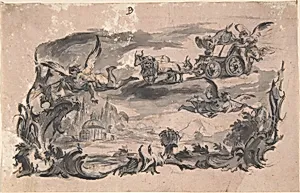
Design for a Book Illustration
Franz Sigrist, late 18th century

Landscape with a Memorial Scene
Ennemond Alexandre Petitot, ca. 1760–80

Le Fontane ne' Palazzi e ne' Giardini di Roma con li Loro Prospetti et Ornamenti
Giovanni Francesco Venturini|Giovanni Giacomo De Rossi|Giovanni Battista Falda, 1691 or after
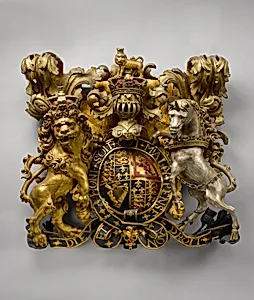
Armorial panel with Stuart coat of arms

Allegory of Earth
Charles Le Brun, ca. 1660

The Lion Takes the Advice of the Other Animals for Renard's Punishment from Hendrick van Alcmar's Renard The Fox
Allart van Everdingen, 1650–75

Renard is Accused by the Animals Before the Lion from Hendrick van Alcmar's Renard The Fox
Allart van Everdingen, 1650–75
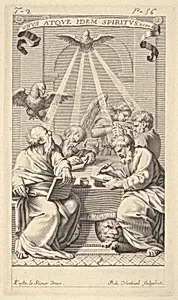
The Four Evangelists
Robert Nanteuil|Eustache Le Sueur, ca. 1653

Declaration of War on Spain by Louis XIII: The King as Hercules
Abraham Bosse|François Langlois, ca. 1635
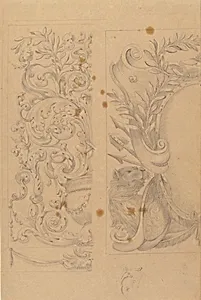
Left Part of the Drawing: Floral Ornaments; Right Part of the Drawing: Half Cartouche Decorated with Leaves, Arms and a Lion
Agostino (Stanzani) Mitelli, mid-17th century
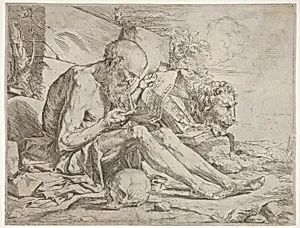
St. Jerome seated on the ground and reading an inscribed scroll, a skull next to his right leg and a lion beyond
Jusepe de Ribera (called Lo Spagnoletto), ca. 1624
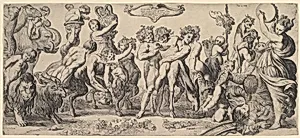
Triumph of Bacchus
Pierre Brebiette, 17th century
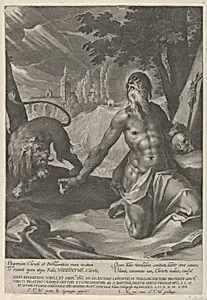
Saint Jerome in the Desert
Lucas Kilian|Bartholomeus Spranger, 1610
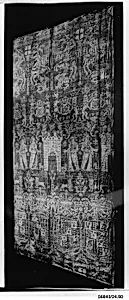
Tablecloth
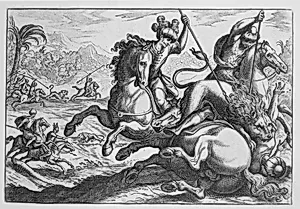
Lion Hunt, from 'Hunting Scenes IV'
Antonio Tempesta, late 16th century
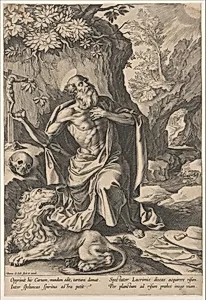
Saint Jerome
Pieter de Jode I, n.d.

Adam and Eve Lamenting the Death of Abel
Cornelis Cort|Frans Floris I|Adriaen Collaert, 1564
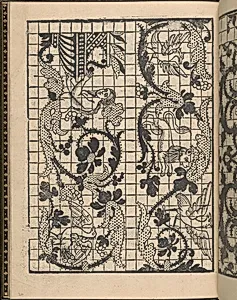
La Gloria et l'Honore di Ponti Tagliati, E Ponti in Aere, page 11 (verso)
Matteo Pagano, 1556
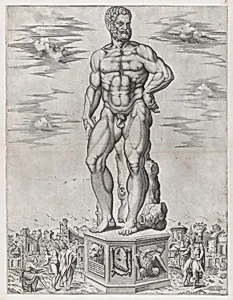
Speculum Romanae Magnificentiae: Hercules Colossus at Padua (L'Ercole di casa Benavides a Padova)
Antonio Lafreri|Enea Vico|Bartolomeo Ammanati (Ammannati)|Anonymous, Italian, 16th century, 1553
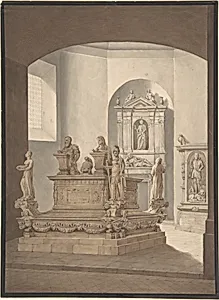
Tomb of Don Pedro de Toledo in San Gracomo degli Spagnuoli, Naples
Giovanni Marigliano (Giovanni da Nola), 1540–1946
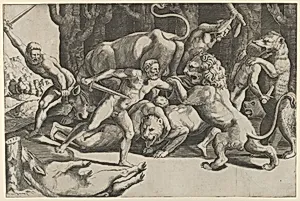
Five men fighting beasts, at lower left is a fallen boar
Master of the Die|Giulio Romano, 1532
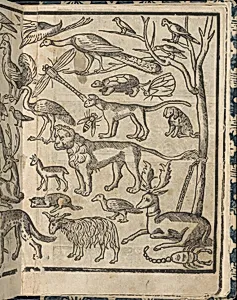
Essempio di recammi, page 13 (recto)
Giovanni Antonio di Nicolini da Sabio e i fratelli|Giovanni Antonio Tagliente, 1530
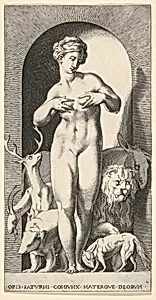
Plate 2: Ops standing in a niche with her hands at her breasts, looking to her left, with animals behind her, from "Mythological Gods and Goddesses"
Giovanni Jacopo Caraglio|Rosso Fiorentino, 1526
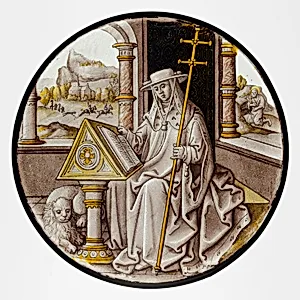
Roundel with Saint Jerome in his Study
Pseudo-Ortkens, ca. 1520
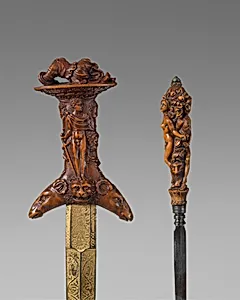
Basilard
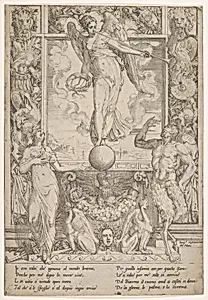
Fame
Battista Angolo del Moro
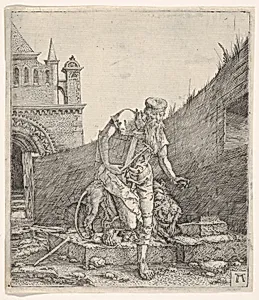
Saint Jerome Walking in a Churchyard
Albrecht Altdorfer
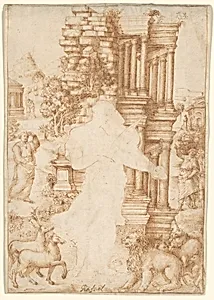
Orpheus
Italian, early 16th century
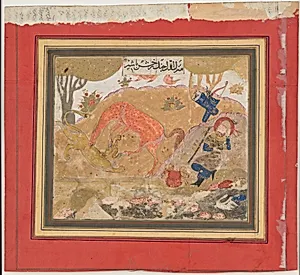
"Rustam's First Course: Rakhsh Kills a Lion", Folio from a Shahnama (Book of Kings)
Abu'l Qasim Firdausi, ca. 1430–40
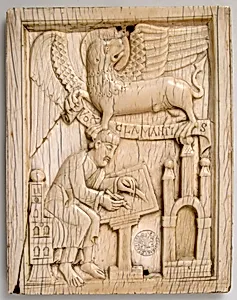
Evangelist Saint Mark writing the Gospel with his symbol, the Lion, holding a scroll
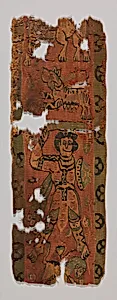
Textile Fragment
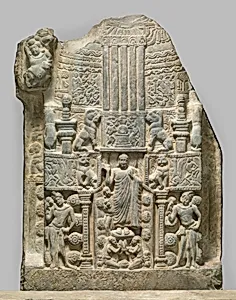
Drum panel depicting a stupa with the Buddha’s descent from Trayastrimsa Heaven
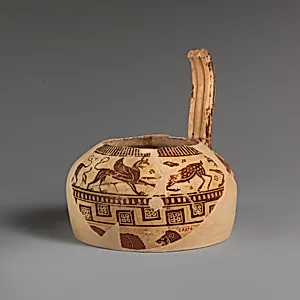
Fragment of a terracotta oinochoe (jug)
Altenburg Painter, ca. 560–550 BCE
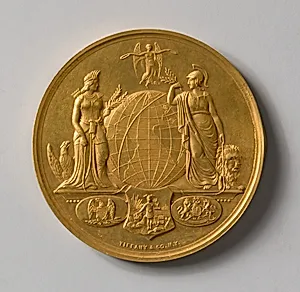
Congressional Medal to C. W. Field for the Successful Laying of the Atlantic Cable
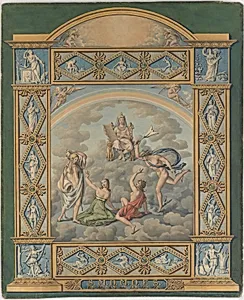
Weekly Calendar
Joseph Anton Koch, 1822
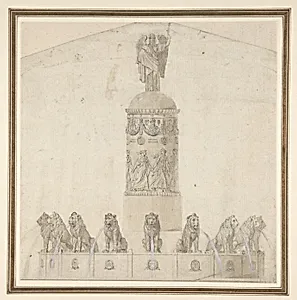
Design for a Fountain
Anonymous, French, 19th century, 19th century
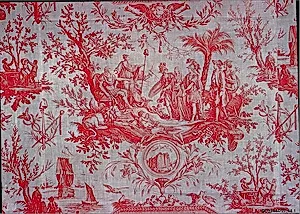
"Louis XVI, Libérator"
Oberkampf Manufactory|Jean-Baptiste Huet I, ca. 1789
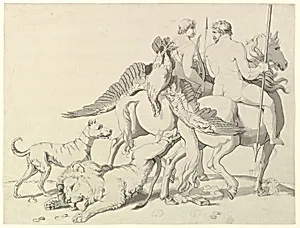
Man's Fortitude
Johann Heinrich Wilhelm Tischbein, late 18th–early 19th century
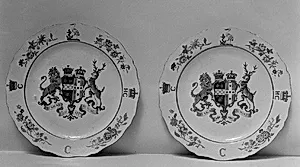
Plates (2)

De Vlugt van 't Pausdom
Romeyn de Hooghe, n.d.
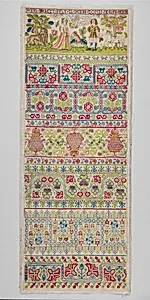
Sampler
Anna Buckett, 1656
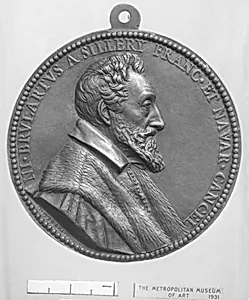
Nicolas Brulart de Sillery, Chancellor of France (1544?–1624, Chancellor of France 1607)
Guillaume Dupré, 1613

Saint John the Baptist in a decorative border, after Michelangelo's 'The Last Judgment' fresco in the Sistine Chapel
Cherubino Alberti (Zaccaria Mattia), 1591

Allegory of Africa, from "The Four Continents"
Adriaen Collaert|Maerten de Vos, 1580–1600
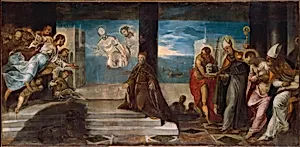
Doge Alvise Mocenigo (1507–1577) Presented to the Redeemer
Jacopo Tintoretto (Jacopo Robusti), probably 1577
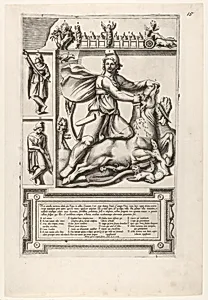
Relief with Mithras kneeling upon a bull and driving a sword into its shoulder, at left two smaller standing figures, one holding a sheathed sword and one holding a sword, a frieze with chariots and serpents coiled around figures above
Anonymous, Italian, 16th century|Antonio Lafreri, 1564