
Asian Art — Page 20
30,955 artworks · The Metropolitan Museum of Art
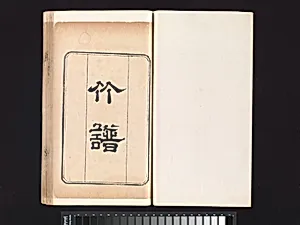
芥子园画譜 竹谱|“Bamboo” section, from the Mustard Seed Garden Manual of Painting
Wang Gai, 1817 (Jiaqing 2nd edition)
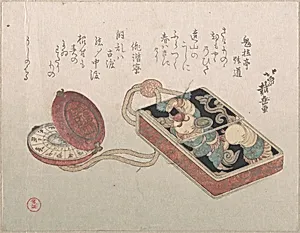
胴乱印籠と懐中時計根付『春雨集』 摺物帖|Dōran (Square Leather Box Used as an Inrō) with a Watch as a NetsukeFrom the Spring Rain Collection (Harusame shū), vol. 3
Hokusen Taigaku, probably 1817
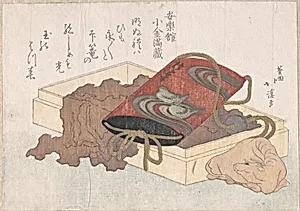
印籠と牛根付『春雨集』 摺物帖|Lacquer Inrō with Waterbirds and Ox-shaped Netsuke in a BoxFrom the Spring Rain Collection (Harusame shū), vol. 3
Totoya Hokkei, probably 1817
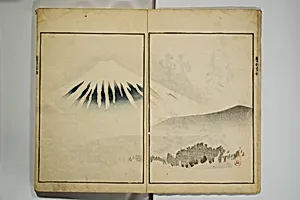
Picture Album by Ōson (Hōitsu) (Ōson fuga)
Sakai Hōitsu 酒井抱一, 1817
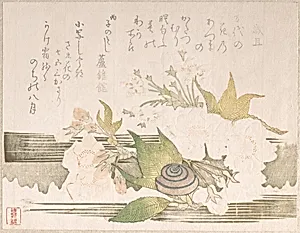
Cherry Blossoms and a Snail
Unidentified artist, 1816
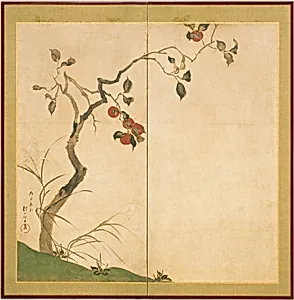
酒井抱一筆 柿図屏風|Persimmon Tree
Sakai Hōitsu, 1816
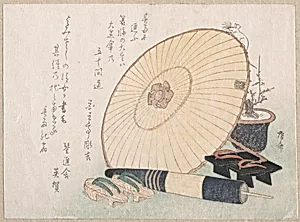
Umbrellas and Geta (Japanese Wooden Sandals)
Ryūryūkyo Shinsai, probably 1816
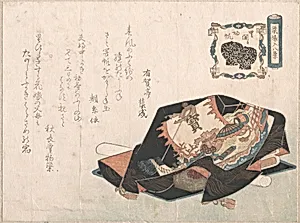
Souvenirs Covered with Wrapping Cloth
Unidentified artist, probably 1816
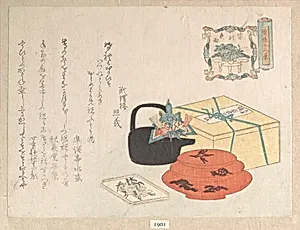
Still Life; Design of Yogoyomi; Pictorial Calendar
Unidentified artist, 1816
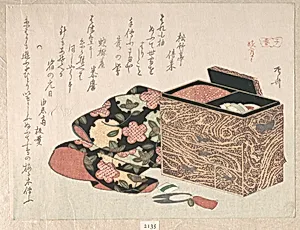
Lady's Work-Box and Bed Clothing
Ryūryūkyo Shinsai, probably 1816
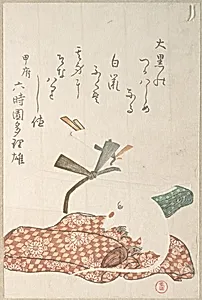
White Rat and Bundles of Cloth
Kubo Shunman, probably 1816
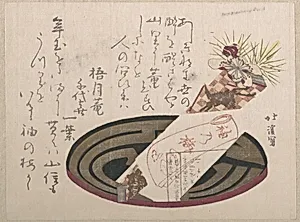
Tray with Noshi Paper (Noshi Indicates a Present)
Totoya Hokkei, 1816
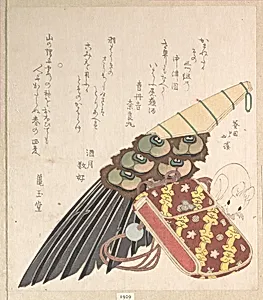
Feather-Brush and Doran (a Kind of Medicine Case) with a Netsuke of a Rat
Totoya Hokkei, probably 1816
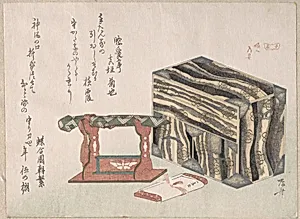
Small Cabinet and Sword Stand
Ryūryūkyo Shinsai, probably 1816
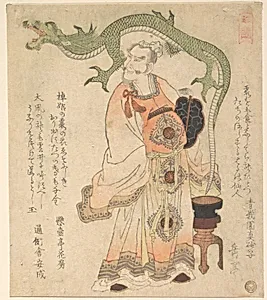
Chinese Sage Evoking a Dragon
Yashima Gakutei, ca. 1825
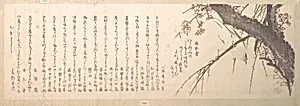
Plum Blossom
Kubo Shunman, 1815
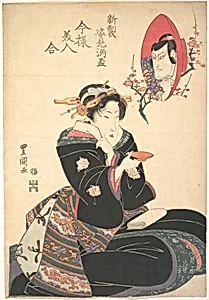
An Actor's Image in a Sake Cup
Utagawa Toyoshige, ca. 1825
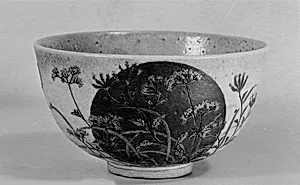
Tea Bowl with Design of Moon and Autumn Grasses
Eiraku Hozen, ca. 1825

画本浄瑠璃絶句|Mixed Verses on Jōruri (Puppet Theater) (Ehon jōruri zekku) 画本浄瑠璃絶句
Katsushika Hokusai 葛飾北斎, 1815
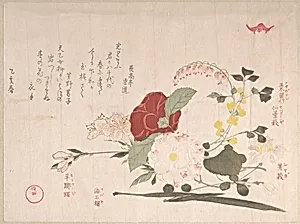
『春雨集』 摺物帖窪俊満画 クサボタン、萩、シャ ガ、ツバキ、モチツバキ|Spring Rain Collection (Harusame shū), vol. 2: Cut Flowers: Clematis, Bush Clover, Iris, Camellia, and Azalea
Kubo Shunman, 1815 (Year of the Ox)
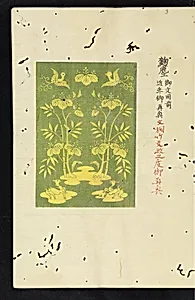
Patterns of Brocades Worn at Court (Shōzoku shokumon zue) 装束織文図会
Matsuoka Shiben, 1815
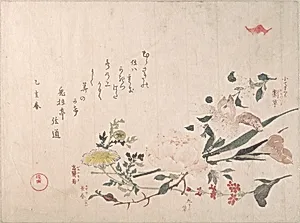
Rose, Iris, Primrose and Daisy
Kubo Shunman, 1815
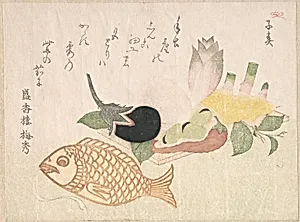
Papier-Mache Fish and Various Vegetables
Takashima Chiharu, probably 1815
A Couple Locked in an Embrace
Keisai Eisen, ca. 1825
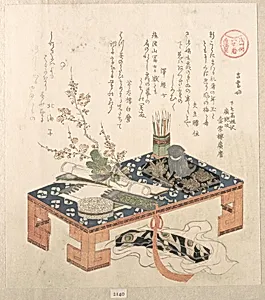
『浅草側いせ暦』 文房具と梅熨斗『春雨集』 摺物帖 |“Desk with Writing Set and Plum Flowers,” from the series Ise Calendars for the Asakusa Group (Asakusa-gawa Ise goyomi)From the Spring Rain Collection (Harusame shū), vol. 2
Kubo Shunman, probably 1814 (Year of the Dog)
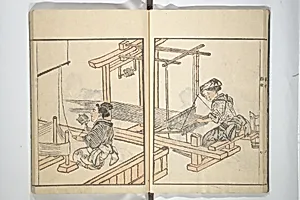
漫画百女|Sketchbook of One Hundred Women (Manga hyakujo) 漫画百女
Aikawa Minwa 合川珉和, 1814, ninth month (Bunka 11)
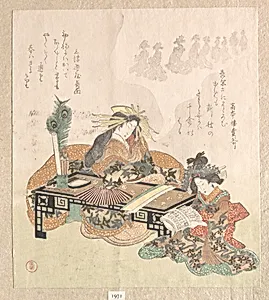
Courtesan Dreaming of the New Year Procession
Kubo Shunman, 1814
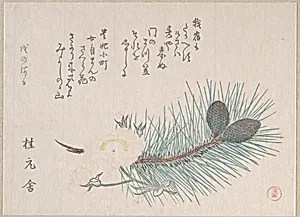
Pines and Cherry Blossoms
Kubo Shunman, probably 1814

北斎写真画譜|A Realistic Sketchbook by Hokusai (Hokusai shashin gafu 北斎写真画譜)
Katsushika Hokusai 葛飾北斎, 1814 (Bunka 11)
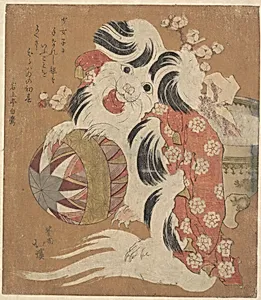
Surimono Calendar for the Dog Year, 1814
Totoya Hokkei, 1814

草花略画式|How to Draw Plants and Flowers Simply (Sōka ryakugashiki) 草花略画式
Kuwagata Keisai 鍬形蕙斎, 1813, tenth month (Bunka 1
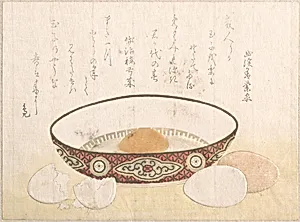
Flat Bowl with Eggs
Unidentified artist, probably 1813
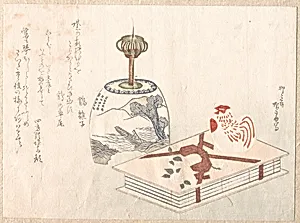
Candlestand and Book
Ryūryūkyo Shinsai, probably 1813
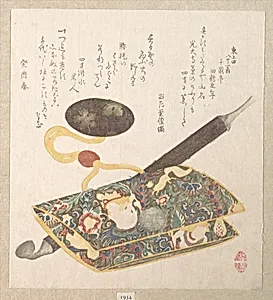
Tobacco Pouch and Pipe
Kubo Shunman, 1813
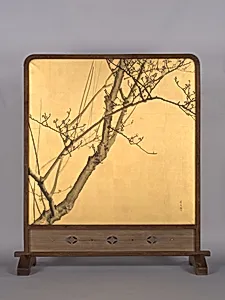
松村景文筆 頼山陽書 梅図衝立屏風|Plum Blossoms
Matsumura Keibun 松村景文|Rai San’yō 頼山陽, ca. 1823
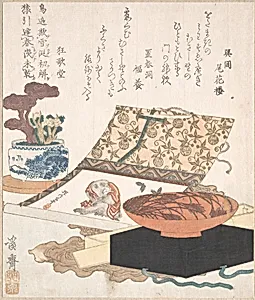
Kakemono of Monkey, Wine Cup and Potted Plants
Keisai Eisen, probably 1812
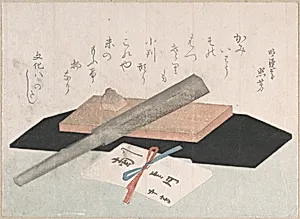
A Whetstone with a Razor, and an Envelope for a Present
Unidentified artist, 1811
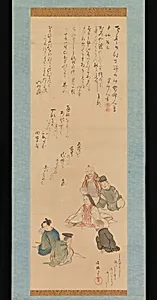
窪俊満筆 六歌仙図|The Six Poetic Immortals
Kubo Shunman, ca. 1810
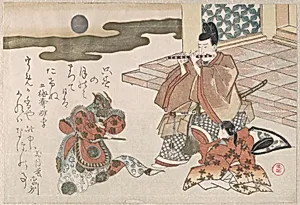
舞楽|Courtier Playing a Flute to Accompany a Bugaku Dance
Kubo Shunman, probably 1810
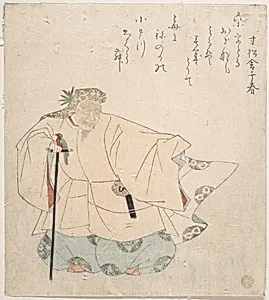
Scene from Noh Dance
Totoya Hokkei, ca. 1820
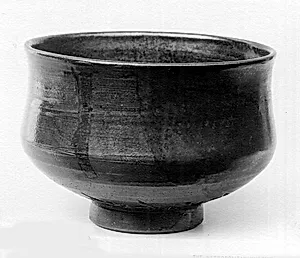
Teabowl
Sashu Kintaro, ca. 1820
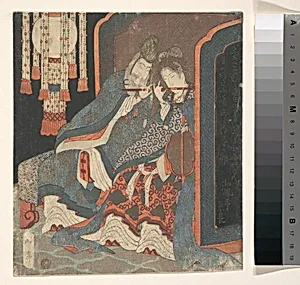
Genso and Yokihi
Yashima Gakutei, ca. 1820
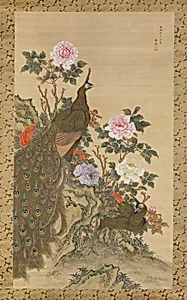
牡丹に孔雀図|Peacocks and Peonies
Tani Bunchō, 1820
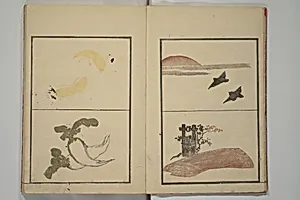
蕙斎麁画; 讃科画圖蕙齋麁画(さんか がず けいさい そうが)|Vol. 1 of 5, Various Pictures by Keisai (Keisai soga) 蕙斎麁画; 讃科画圖蕙齋麁画(さんか がず けいさい そうが)
Kuwagata Keisai 鍬形蕙斎, ca. 1815–42
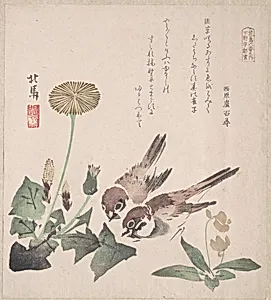
摺物帖 『春雨集』 『花鳥六番之内 下野宇都宮』 タンポポに雀|Spring Rain Collection (Harusame shū), vol. 3: Sparrows and Dandelions
Teisai Hokuba, ca. 1820

漢画指南二編|Guide to Chinese Painting (Kanga shinan nihen 漢画指南二編), Second Series
Kawamura Bunpō 河村文鳳, 1810, (Bunka 7)
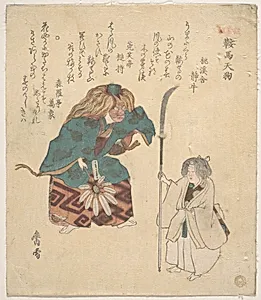
Scene from Noh Dance
Kosetsu, ca. 1820
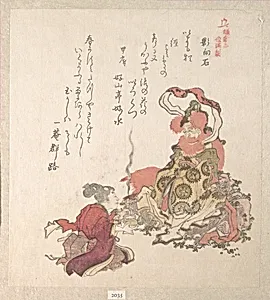
『春雨集』 摺物帖窪俊満画 『鎌倉志』 「影向石」|Spring Rain Collection (Harusame shū), vol. 1: “Offering Incense to the Deity of the Stone” (Yōgōishi), from the series History of Kamakura (Kamakura shi)
Kubo Shunman, early to mid-1810s